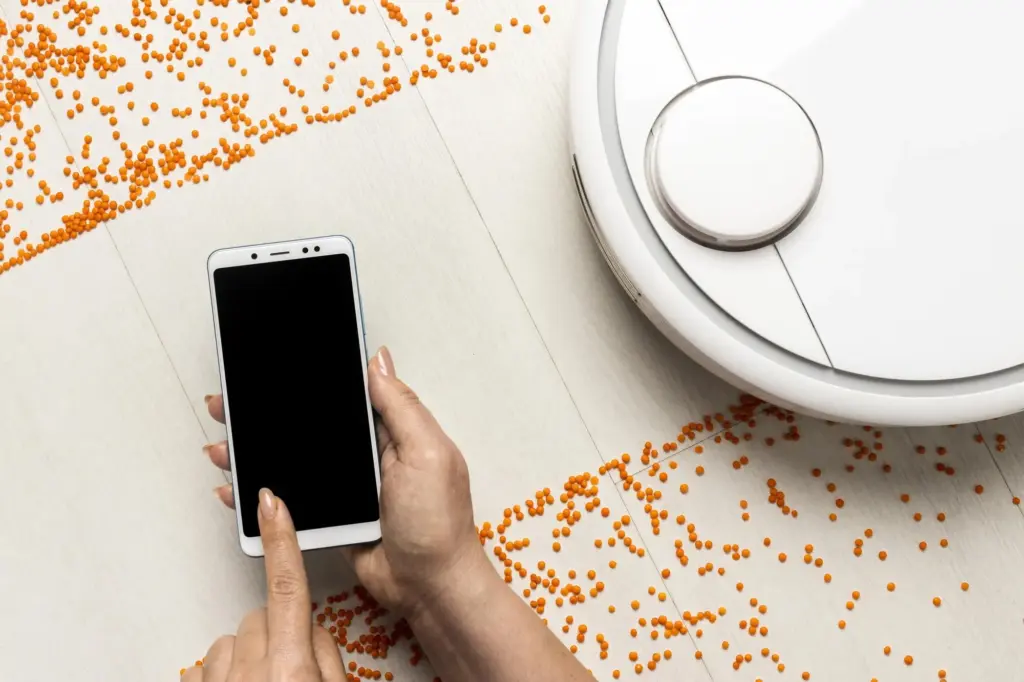
Living Lightly in a Connected, Circular Home

Welcome! Today we dive into Circular, Connected Home Style, blending circular design principles—reuse, repair, and regeneration—with thoughtful smart technology that cooperates across brands. Expect practical guidance, heartfelt stories, and ideas you can test this week to save resources, money, and time.

Foundations of Circular Design at Home

Choose joinery, screws, and snap-fits you can separate without damage, labeling parts so future you—or a curious neighbor—can service them confidently. Appliances with modular boards, replaceable batteries, and published manuals last longer, cost less to maintain, and resist landfilling when fashions shift or features evolve.
Favor finishes and textiles made from recycled or rapidly renewable inputs, and keep receipts or QR tags that document origin. When walls need paint or a sofa wants new fabric, transparency helps match components to remanufacturers, repairers, and credible take-back programs that actually close the loop.
Select furniture that can resize, re-upholster, or reconfigure as life changes, extending emotional attachment along with function. Shelving with standard holes, modular legs, and replaceable tops gracefully handles dorm moves, nurseries, or remote-work eras, preventing the familiar cycle of hurried purchases, short service, and early disposal.

Seamless Connectivity without Clutter

Treat technology like quiet infrastructure that serves people and resources, not the other way around. Favor devices using open or widely adopted standards so they cooperate across brands, minimize duplicate hubs, and remain useful longer. Thoughtful placement, cable discipline, and gentle visual design preserve serenity while everything talks efficiently behind the scenes.

Interoperability as a Household Habit

Before buying any gadget, check support for Matter, Thread, and established local protocols; the choice reduces lock-in, extends life, and lowers e-waste when families gift, resell, or relocate. A shared spreadsheet of capabilities prevents overlap, encourages upgrades only when necessary, and keeps automations resilient through renovations and seasonal rearrangements.
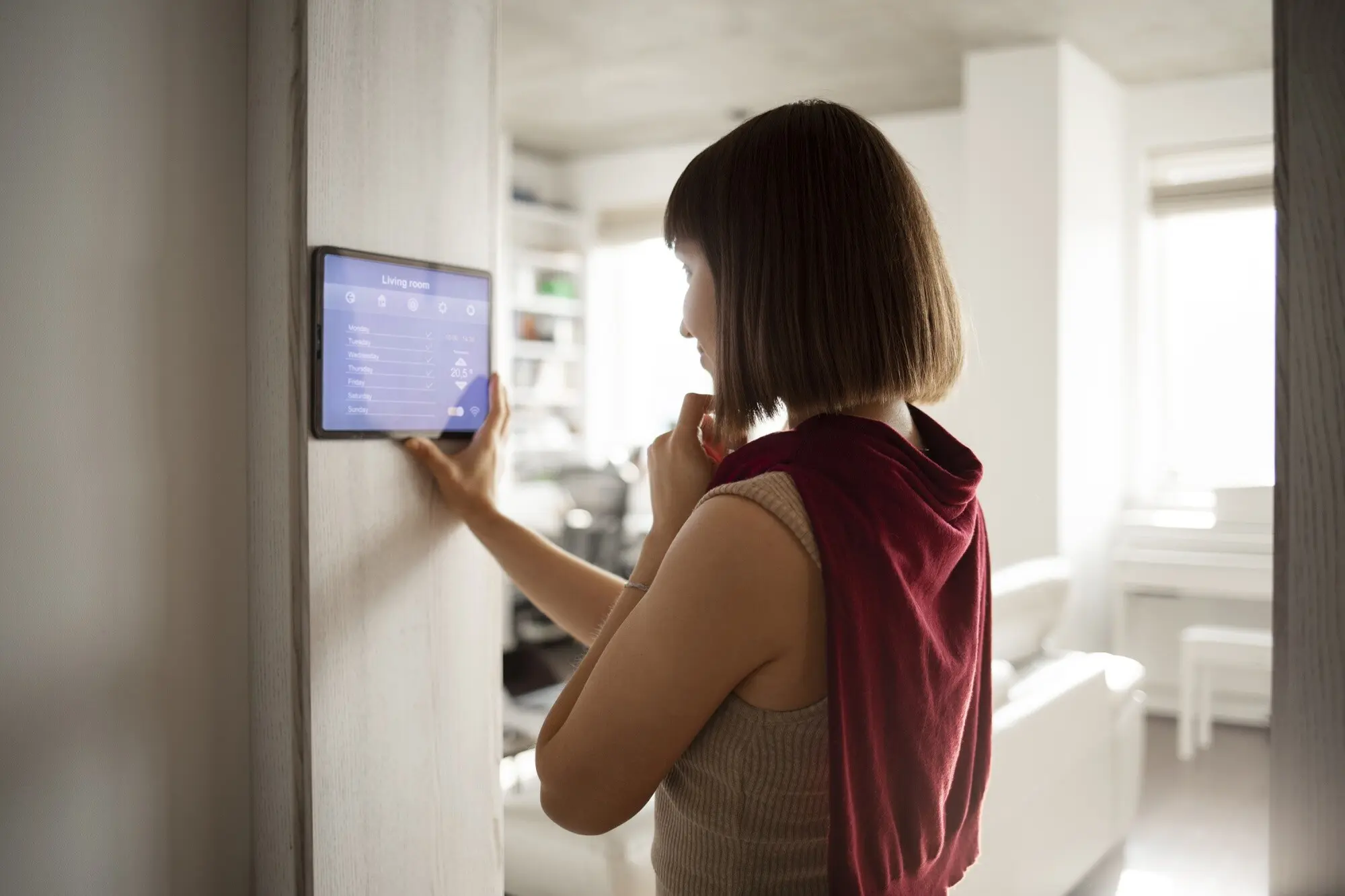
Local-first Automations

Prefer routines that run on your home hub rather than distant clouds, protecting privacy and ensuring lights still respond during internet hiccups. Local logic paired with occupancy and light sensors enables nuanced behaviors—warmer evenings, quieter mornings, and waste-free standby modes—delivering comfort that feels considerate instead of intrusive or performative.

Network Hygiene for Long-Term Calm

Name devices clearly, segment guests, and keep firmware current to maintain trust and reduce troubleshooting. Mesh technologies placed thoughtfully limit radio noise and extend battery life for sensors. A predictable, documented setup means relatives can water plants, borrow rooms, or host gatherings without frantic calls about unresponsive switches.

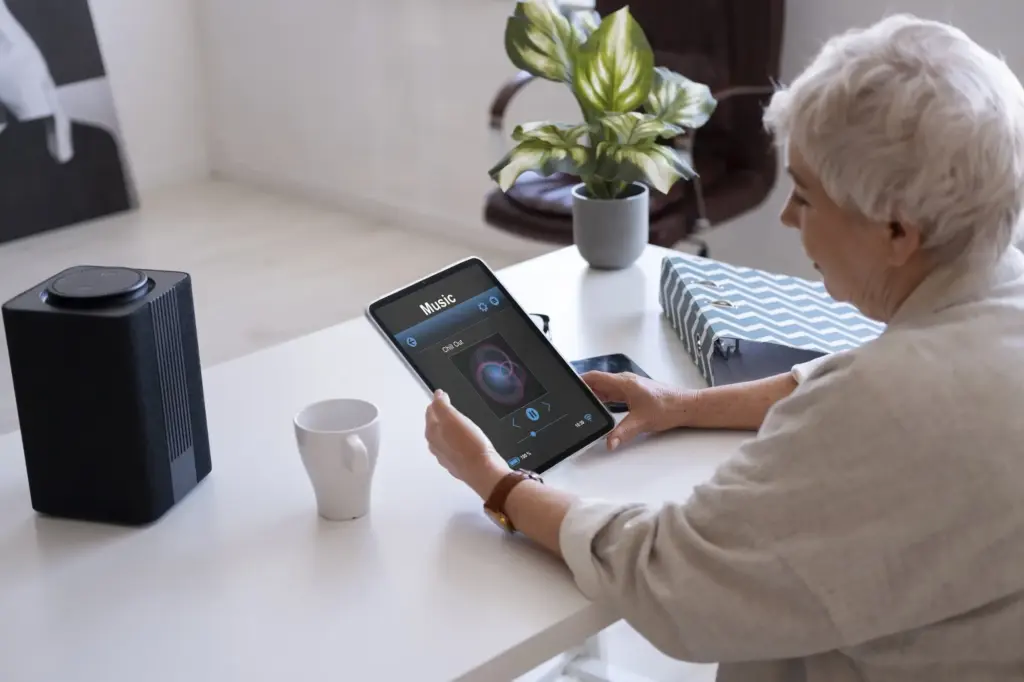
Energy That Works Smarter

Shift focus from more gadgets to better timing and clearer feedback. Link metering, weather data, and occupancy to guide when appliances run, how temperatures float, and where waste hides. Smart choices—heat pumps, induction, LED lighting—deliver comfort with fewer emissions, especially when matched to time-of-use rates and household routines.

Furniture and Spaces that Evolve

{{SECTION_SUBTITLE}}

Modular Kitchens, Honest Fixes

Opt for cabinets with replaceable fronts, standardized hinges, and serviceable drawers. When a panel scuffs, you swap parts instead of rooms. Label plumbing shutoffs, keep a small gasket kit, and bookmark manuals, turning stressful breakdowns into brief pauses that preserve appetites, budgets, and your favorite cooking rituals.

Flexible Living Rooms, Calm Tech

Hide hubs inside ventilated cabinets with rear access, route power neatly along furniture, and use cable clips that release cleanly. Choose speakers that pair wirelessly yet repair easily. The result is welcoming space where conversation leads, screens retreat politely, and the system never dominates the story.

Privacy, Trust, and Human Warmth

{{SECTION_SUBTITLE}}

Data Minimalism by Default

Collect only what improves daily life, keep it locally when possible, and set retention limits. Mask faces in stored clips, disable unnecessary logs, and rotate access keys. Minimal data reduces risk, de-escalates mistakes, and still delivers delight through thoughtful automations that notice patterns without hoarding histories.

Inclusive, Accessible Controls

Blend tactile switches, voice options, and large-print scenes so everyone participates comfortably. Add gentle haptics, contrasts, and confirmations that age well. When grandparents visit or friends sleep over, controls should feel obvious, reversible, and forgiving, proving that dignity, accessibility, and sustainability reinforce each other rather than compete.

Getting Started and Staying Involved

Small, joyful steps beat grand overhauls. Choose one corner, one appliance, or one automation to improve this week, and share your progress. Track savings, celebrate repairs, and invite neighbors to copy your wins. Consistency builds confidence, turning good intentions into daily rituals that actually stick.

Start with One Loop

Pick a project with visible impact: refillable cleaning, modular power strips, or occupancy-based fan control. Define your baseline, set a simple metric, and commit to a weekend sprint. The quick win funds motivation, teaches useful lessons, and creates momentum for bolder, longer-lasting changes throughout the year.

Document, Measure, Celebrate

Photograph setups, record consumption, and write short reflections about comfort, mood, and flow. Numbers matter, but feelings guide better than charts. Share before-and-after snapshots with friends or forums, asking for critique. Celebrating progress turns maintenance into culture, which keeps systems healthy long after novelty fades.
Tarikavikaromexofexo
Privacy Overview

This website uses cookies so that we can provide you with the best user experience possible. Cookie information is stored in your browser and performs functions such as recognising you when you return to our website and helping our team to understand which sections of the website you find most interesting and useful.