Inside Homes Where Circular Design Meets Invisible Automation
Foundations of Circular Living in Real Apartments
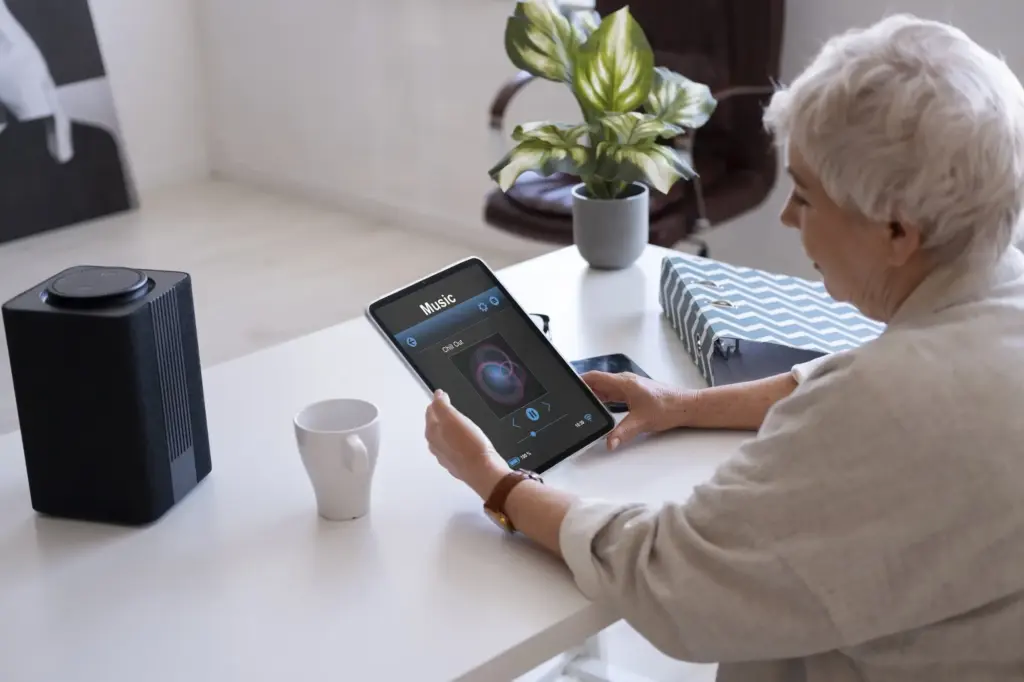
Seamless Systems You Hardly Notice
Calm Interfaces, Clear Choices
Tactile dimmers with clear stops, low-glare status lights, and voice only where it helps reduce friction and fatigue. A single long-press can toggle a whole scene, yet every circuit still accepts manual overrides, so guests feel capable and comfortable without learning new rituals or jargon.
Context Awareness Without Creepiness
Motion and schedule data never leave the apartment without permission. Edge devices crunch patterns locally, generating gentle prompts like, "Would you like a cooler bedroom earlier in summer?" rather than silent changes. Residents set boundaries, delete histories, and choose transparency, aligning convenience with dignity, consent, and real trust.
Fail-Safe by Design
Power outages, flaky Wi-Fi, or app updates should not strand comfort. These projects favor local-first control, battery-backed hubs, and direct bindings between switches and lights. When clouds return, logs sync quietly, but heat, light, and ventilation continue running safely and predictably.
Energy, Comfort, and Data in Closing Loops
{{SECTION_SUBTITLE}}

Predictive Comfort with Fewer Watts
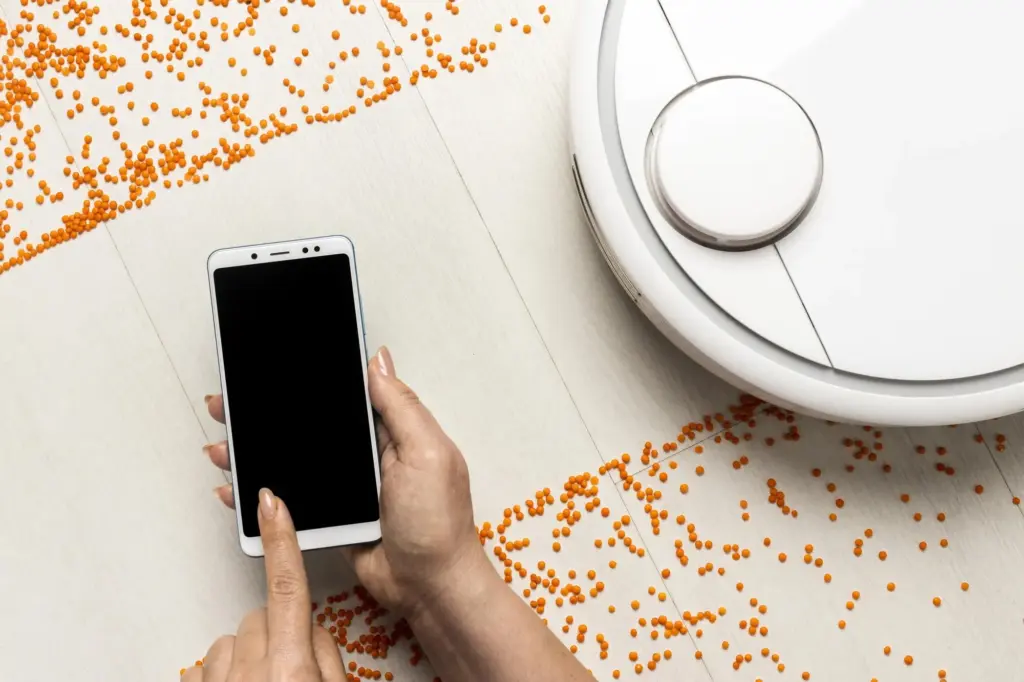
Appliances that Cooperate
Healthy Interiors from Materials to Microclimates
Breathable Finishes and Real-Time Ventilation
Lime-based plasters and finishes that breathe buffer moisture swings, reducing condensation on cold bridges. When sensors notice rising CO2 or persistent damp, silent fans and heat-recovery ventilators respond smoothly, protecting finishes and lungs while preserving warmth, so air feels fresh without the sting of wasted energy.
Light that Mirrors the Sky
Smart blinds, layered lamps, and tunable-white fixtures follow daylight rhythms, softening mornings, sharpening focus after lunch, and easing evenings without blue-heavy glare. Residents can always override, yet most find the gradual transitions comforting, like a familiar routine that resets stress without demanding attention or effort.
Quiet by Intent
Porous timber, rugs, and panels shaped to diffuse echoes combine with sensors that detect disruptive spikes. At night, automation lowers fan speeds, trims notifications, and prioritizes quiet scenes, ensuring neighbors remain neighbors, not uninvited percussionists, and that bedrooms become cocoons rather than brittle chambers of amplification.
Design for Disassembly Meets Smart Maintenance
Stories from the Field
Barcelona Retrofit: Stone Walls, Smart Bones
A century-old flat kept its stone arches and timber doors, cleaned and rehung with concealed closers. Lime plaster and new gaskets reduced drafts; hidden sensors supervised moisture after a roof repair. Months later, the family reported quieter rooms and double-digit energy savings without sacrificing the apartment's soulful texture.
Singapore Micro-Home: Flex in Forty Seconds
A tiny unit near a transit hub uses a rolling storage wall to reveal office, bedroom, or dining zones in under a minute. Automation remembers each arrangement, shifting lights, outlets, and ventilation accordingly. The resident says the space feels bigger because choices are faster and friction nearly vanished.
Stockholm Timber Loft: Quiet Power
Exposed beams and cross-laminated timber panels bring warmth, while acoustic maps guided furniture placement. A heat-pump array sips energy quietly, and window sensors normalize ventilation with river breezes. Shared data helped neighbors coordinate laundry, lowering peaks. The building feels like a cooperative, not a row of isolated doors.